The Best DGT Certified Scooters According to Your Use
Which DGT certified scooter to buy based on your use: first scooter, city, long range, hills, or high-end. Models, prices, and what to look for.
Quick summary: for a first scooter, the Kamikaze K1 Lite DGT. For daily city use, Kamikaze K1, Kukirin G2 or Xtreme F1 (the lightest). If you do many kilometers on flat terrain, K1 Plus. For hills or heavy weight, dual motor: K1 Max or Xtreme F1 Max. And for long high-end trips, Rovoron R7 and S7. All certified and with 3 years warranty.
Before choosing: why certified
From January 22, 2027, scooters without certification will no longer be allowed on public roads. Also, to get mandatory insurance, the scooter must be registered with the DGT, and only certified models are registered. We explain this in mandatory scooter insurance.
All models in this guide are certified, limited to 25 km/h, and come with 3 years warranty. What changes is which use each one fits.
| Your use | Our choice | Price |
|---|---|---|
| First scooter, tight budget | Kamikaze K1 Lite DGT | 469 € |
| Daily city use, medium trips | Kamikaze K1 DGT · Kukirin G2 DGT | 539 € |
| The lightest for carrying it upstairs | Xtreme F1 DGT | 539 € |
| Long range with one motor | Kamikaze K1 Plus DGT | 599 € |
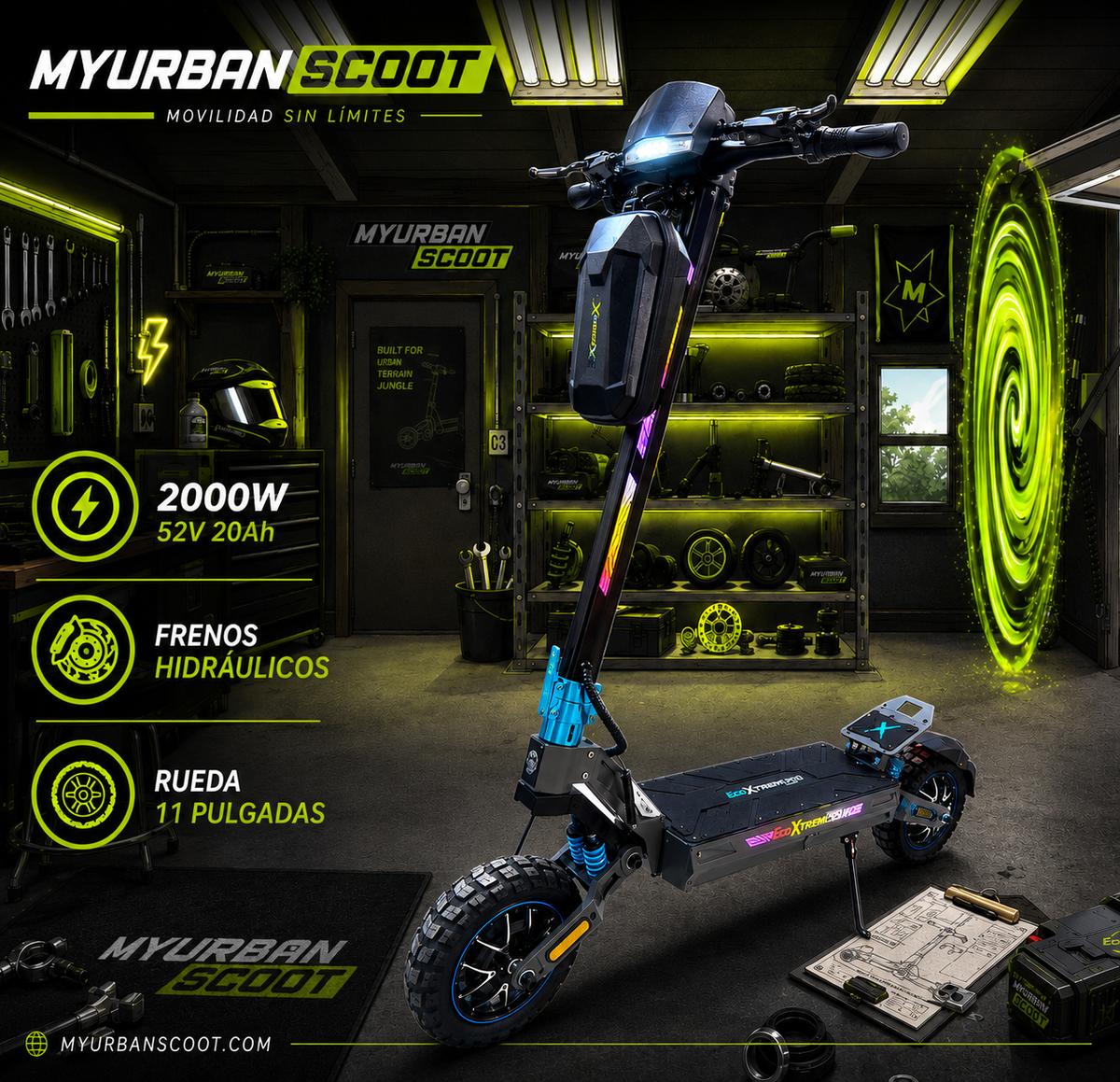
| Hills, heavy weight, rough terrain | Kamikaze K1 Max DGT · Xtreme F1 Max DGT | 749 € / 799 € |
| High-end, long trips | Rovoron R7 DGT · Rovoron S7 DGT | 944 € / 2,499 € |
First scooter or tight budget
The Kamikaze K1 Lite DGT (469 €) is the entry point to the K1 family: 800 W motor, 48 V · 13.5 Ah battery, up to 55 km claimed range, 10" wheels and 26 kg weight.
For those who do short or medium trips and want a certified scooter without overspending. We cover it in detail in its launch sheet.
Daily city use
For commuting to work or school every day, with some hills, there are three options at the same price:
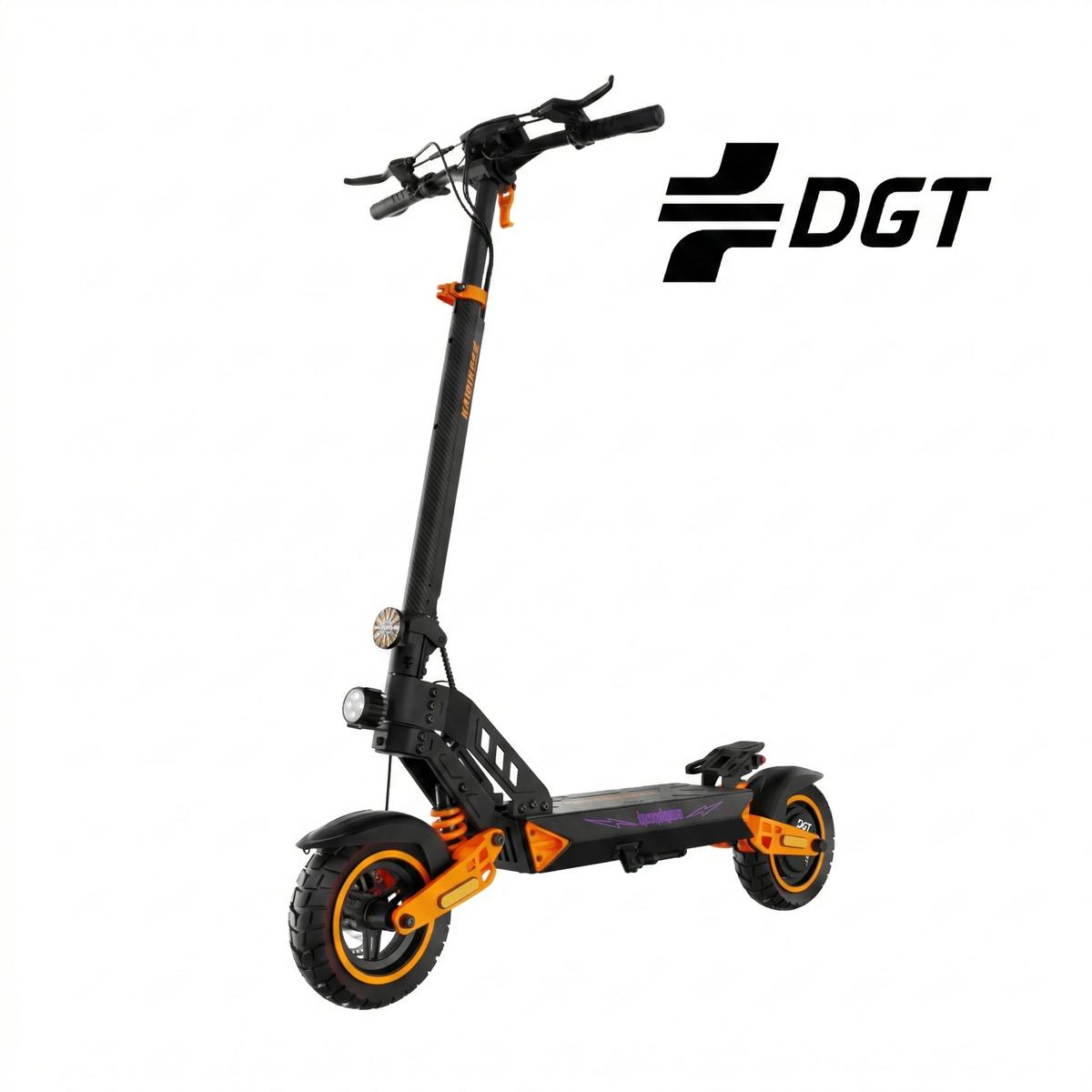
- Kamikaze K1 DGT (539 €): the most powerful in the group, 1,000 W, 48 V · 15 Ah and up to 60 km.
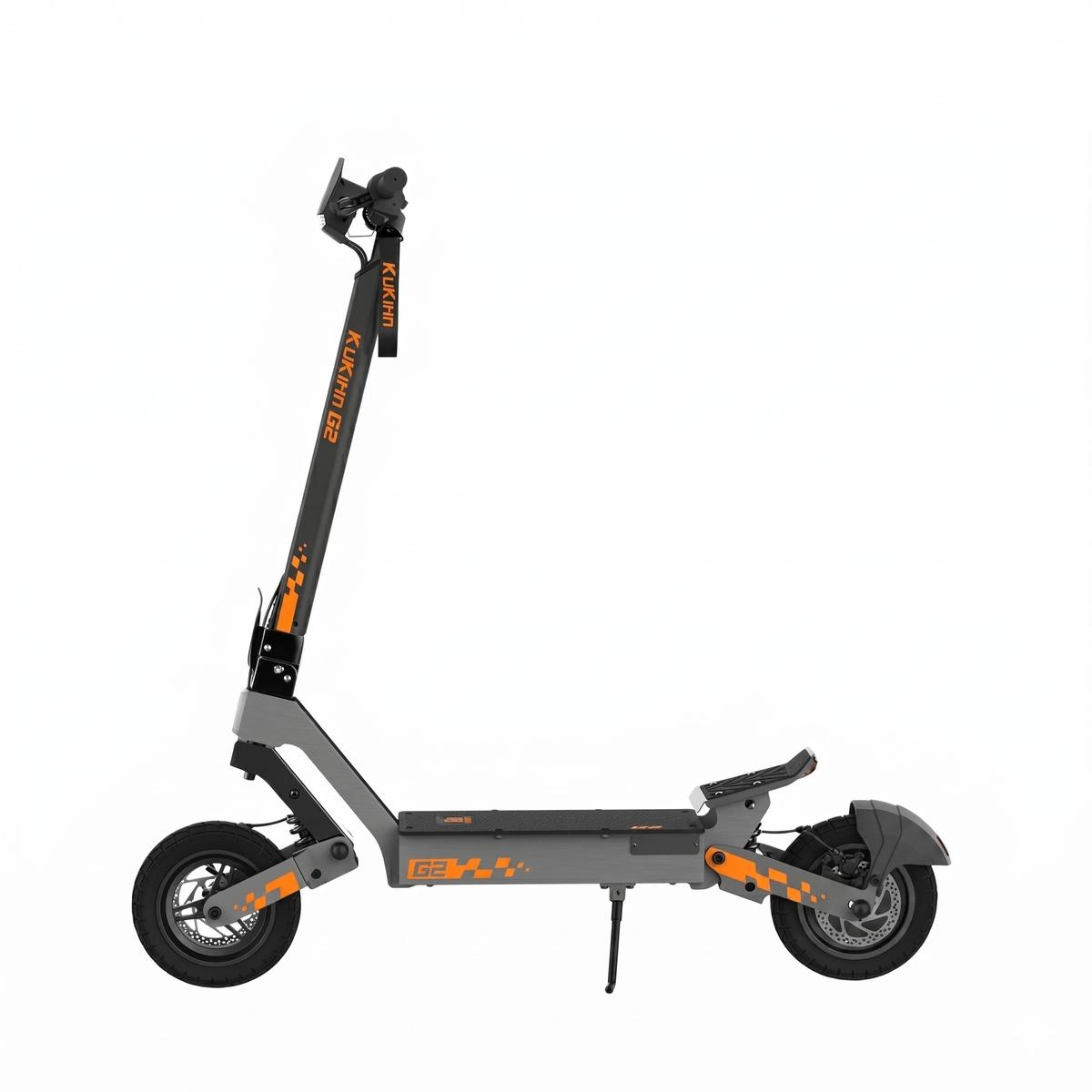
- Kukirin G2 DGT (539 €): 500 W and 48 V · 15.6 Ah, up to 55 km. The most customizable: decals, hydraulic brakes, motorcycle-style throttle, and extra battery.
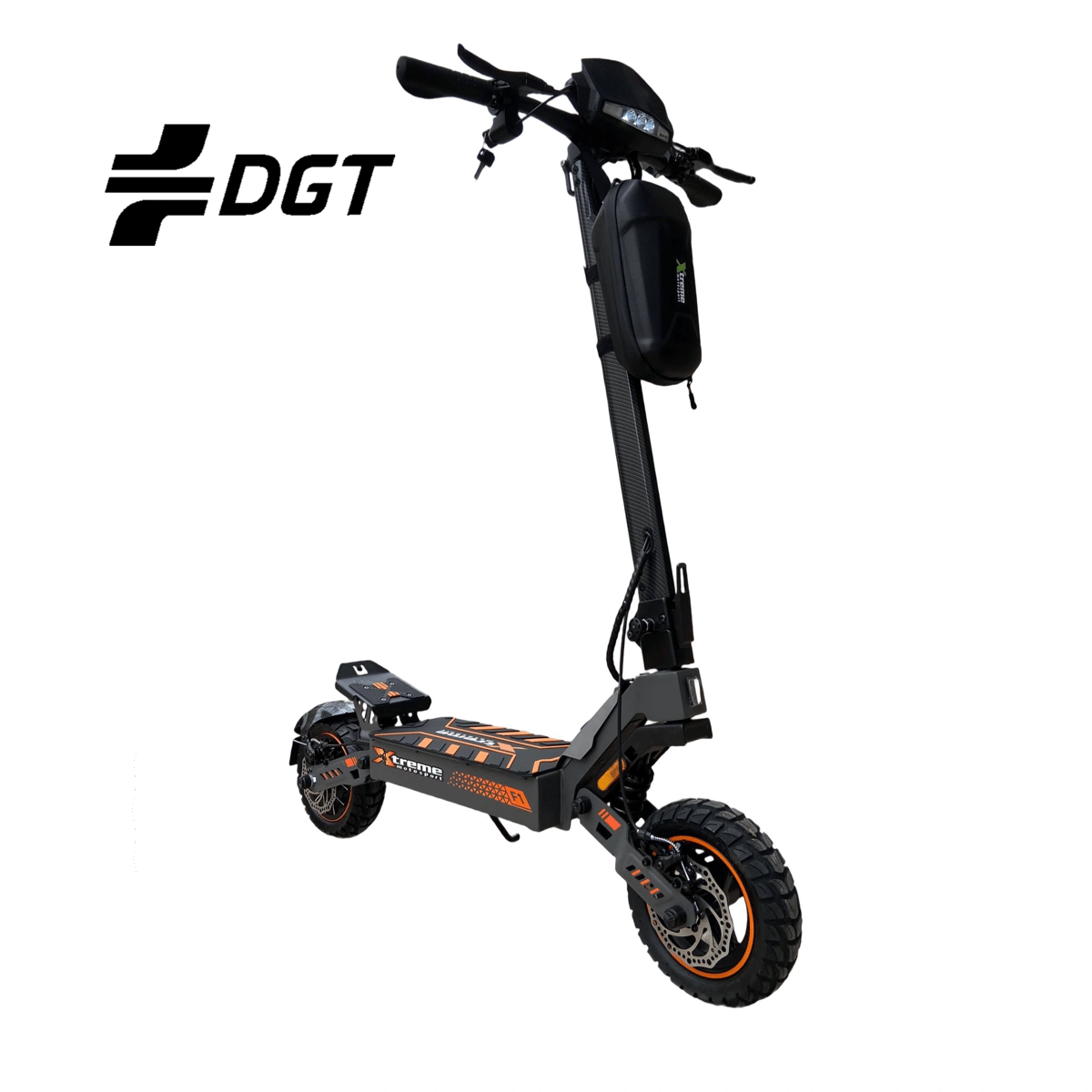
- Xtreme F1 DGT (539 €): 800 W, 48 V · 15 Ah, up to 50 km and the lightest in the guide, 24 kg. Ideal if you have to carry it upstairs.
Unsure between the first two? We clarify it in Kukirin G2 vs Kamikaze K1.
Long range with a single motor
If you do many kilometers but on flat terrain, you don't need a dual motor: you need battery. The Kamikaze K1 Plus DGT (599 €) keeps the 1,000 W motor of the K1 but increases to 48 V · 20 Ah and claims up to 80 km, with the same weight (26 kg).
It's the logical choice for those who charge once or twice a week. And to keep the battery lasting for years, follow our battery care guide.
Hills, heavy weight or rough terrain
This is where the dual motor comes in: a motor on each wheel starts better on slopes and slips less on wet surfaces.
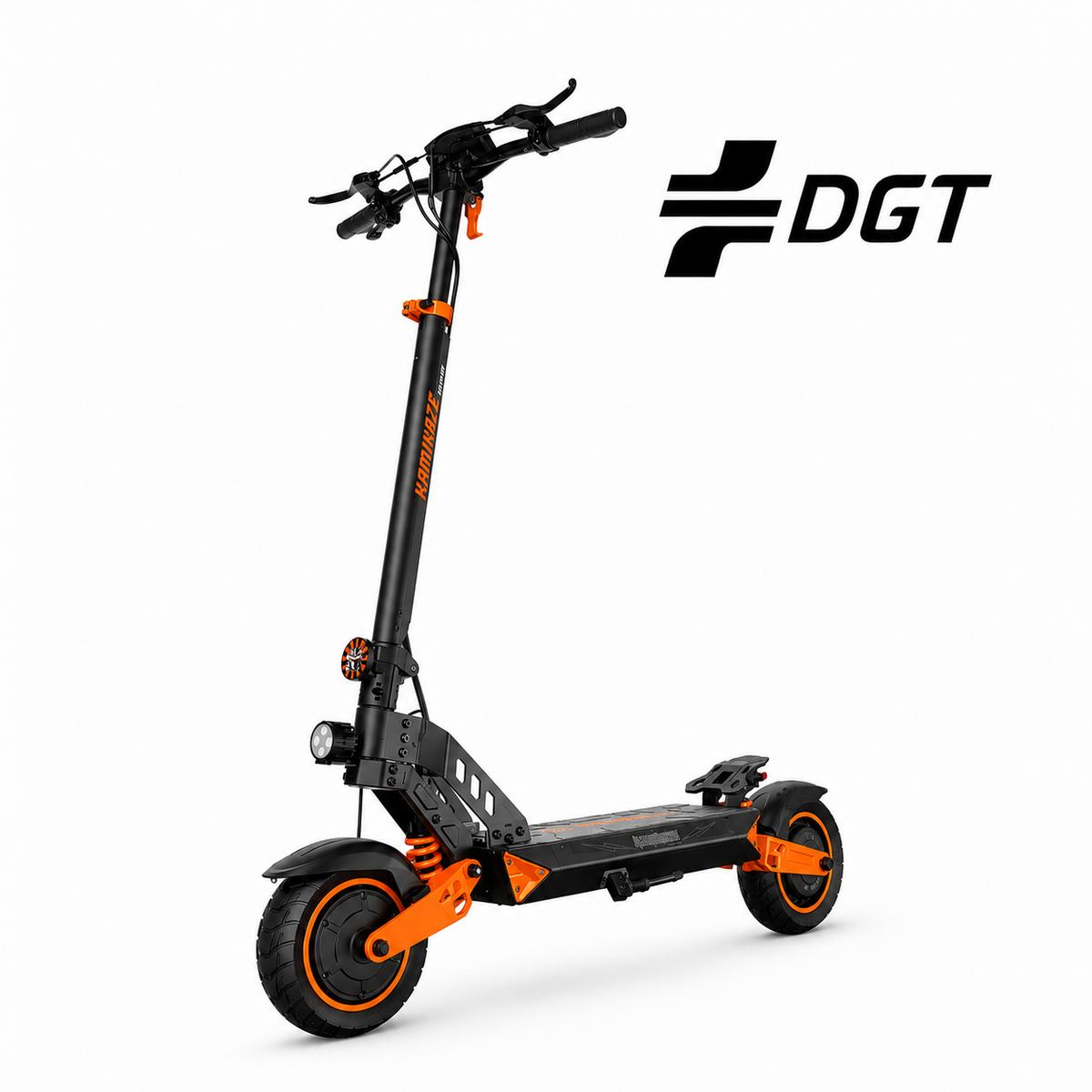
- Kamikaze K1 Max DGT (749 €): 2 × 500 W, 52 V · 20 Ah, up to 80 km, 10" tubeless tires and 30 kg. Can be registered now.
- Xtreme F1 Max DGT (799 €): 2 × 500 W, 52 V · 20.8 Ah, up to 80 km, 11" wheels and max load of 150 kg. Note: its certificate (A1230) is not yet listed by the DGT, so it cannot be registered yet.
Full comparison in Xtreme F1 Max vs Kamikaze K1 Max.
High-end and long trips
If you come from a powerful scooter or do truly long trips, Rovoron plays in another league:
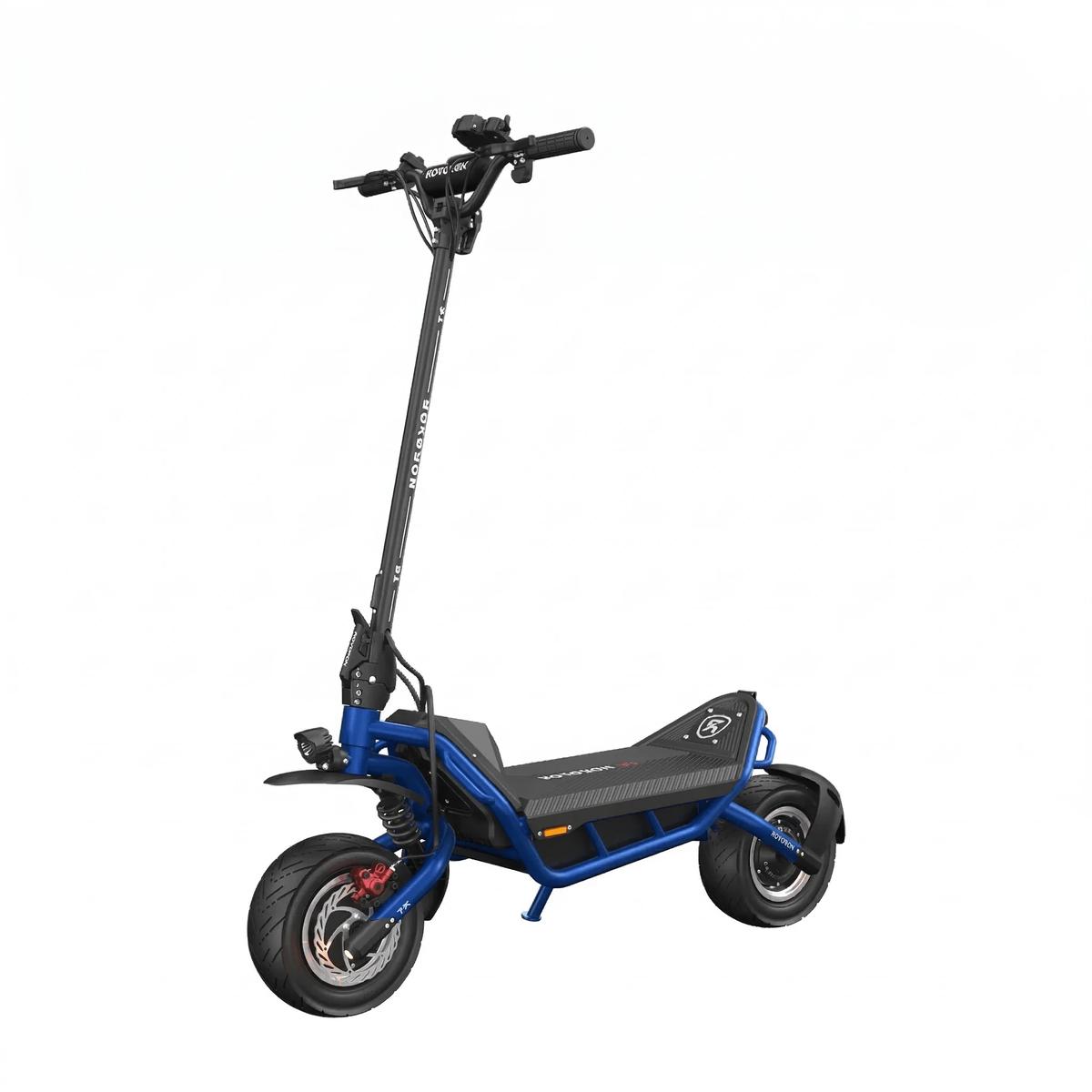
- Rovoron R7 DGT (944 €): dual motor of 2 × 900 W, battery of 60 V · 28.6 Ah and up to 80 km. Weighs 47 kg: for those who store it in a garage or lobby.
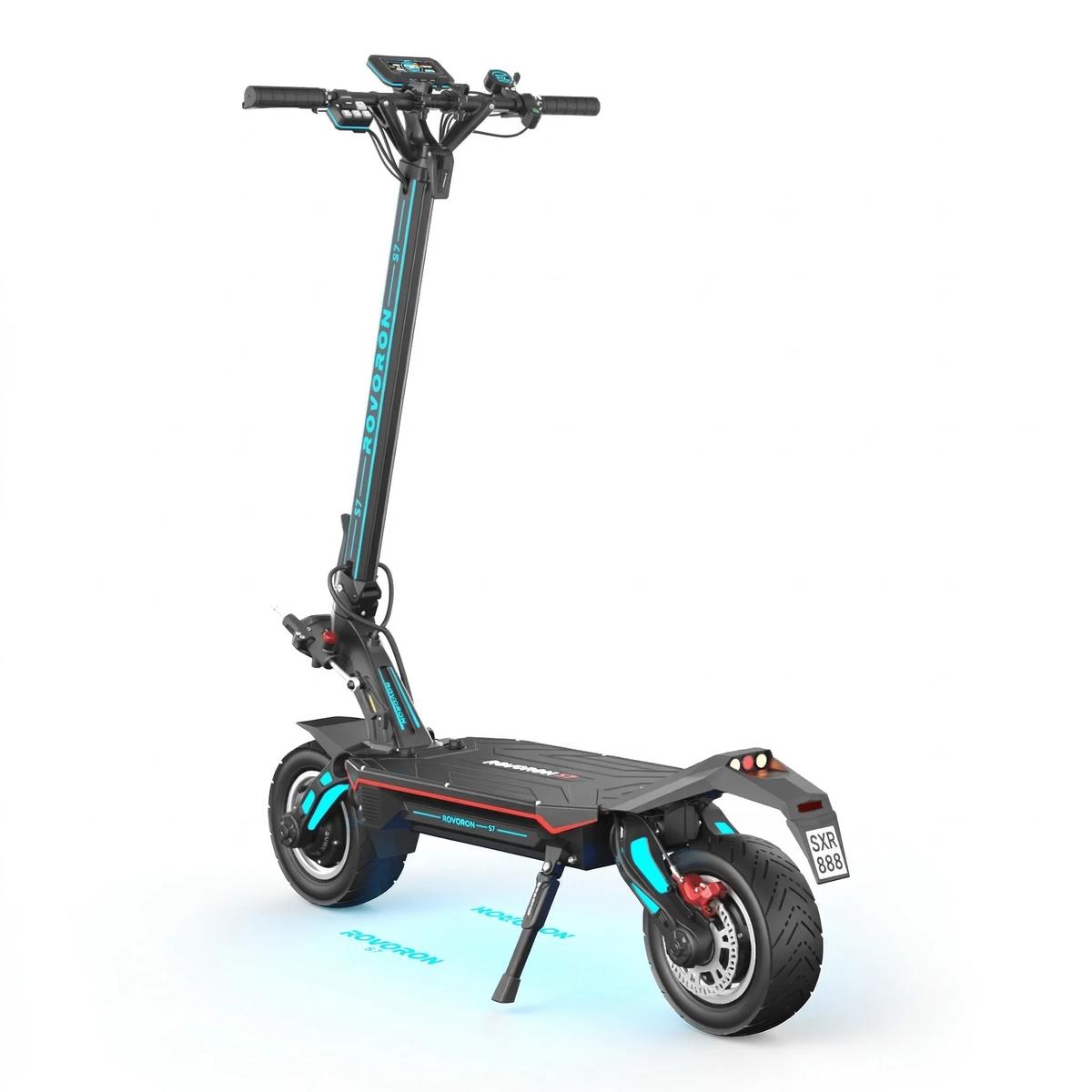
- Rovoron S7 DGT (2,499 €): battery of 84 V · 37.1 Ah, up to 140 km claimed, 4-piston hydraulic brakes and 11" tubeless tires. 49 kg.
Differences within the brand in Rovoron R5, R7 and R7 Pro.
Important: all are sold limited to 25 km/h. Any unrestricted speed is only for circuits or private areas; on the street, 25 km/h and helmet.
What to look for before buying
- Weight: if there is no elevator, every kilo counts. Below 26 kg it’s a workout to carry it upstairs; above 30 kg, better ground floor or garage.
- Real range: estimate 60–70% of the claimed range if you weigh a lot, it’s cold, or there are hills.
- Brakes: most have mechanical disc brakes. If you plan to go fast or loaded, consider upgrading to hydraulic: we explain when in scooter brakes.
- Spare parts: choose a model for which you can find parts. For all in this guide, we have spares and upgrades.
- Registration: check that the model can already be registered with the DGT and ask for the DGT approved registration plate.
Not sure which one is yours?
Tell us your route, your weight, and your budget and we’ll tell you which fits you best. Or browse all our certified scooters.
Frequently asked questions
What is the cheapest certified scooter?
From this guide, the Kamikaze K1 Lite DGT, for 469 €.
What happens to my scooter if it’s not certified?
From January 22, 2027, it won’t be allowed on public roads. We explain it in mandatory insurance and in our regulation guides.
Do I need a dual motor?
Only if you have hills, weigh around 100 kg or more, or ride on rough terrain. On flat terrain, a good single motor with a big battery (like the K1 Plus) is lighter and cheaper.
Can all be registered?
All are certified. The Xtreme F1 Max is pending DGT publishing its certificate in the official list; the rest can be registered and carry the DGT approved registration plate.
What warranty do they have?
3 years on all models in this guide.